Why I’m Circling Back to Carp Style Hair Rigs… for Big Fenland Pike
The biggest worry when deadbaiting for pike is "deep hooking." We’ve all been there: the float dips, you wait a second too long, and suddenly you’re performing surgery in the margins. It’s stressful for you and dangerous for the fish.
Circle hooks solve this through clever geometry rather than gadgetry. Because the point is turned back toward the shank, the hook won't snag in the throat or gut. It will (usually!) only find a home when it reaches the corner of the pike’s mouth, as the fish moves away and the line tightens.
-
No "Strike" Required: You don’t need a massive, rod-bending strike. You just tighten up and let the hook do the work.
-
Easy Unhooking: 99% of the time, the hook is right in the scissors. A quick flick with the long-nosed pliers and you're done.
-
Save Your Pennies: You only need one hook per rig instead of two expensive trebles. It’s cheaper, simpler, and much kinder to the fish.
In our slow-flowing Fenland drains and local pits, two methods stand out for circle hook rigs:
-
The Float: Use a simple cigar-shaped float. When the float sails away, don't count to ten. Just engage the reel, wait for the line to go taut, and lean into the fish. The circle hook will generally lock into the scissors.
-
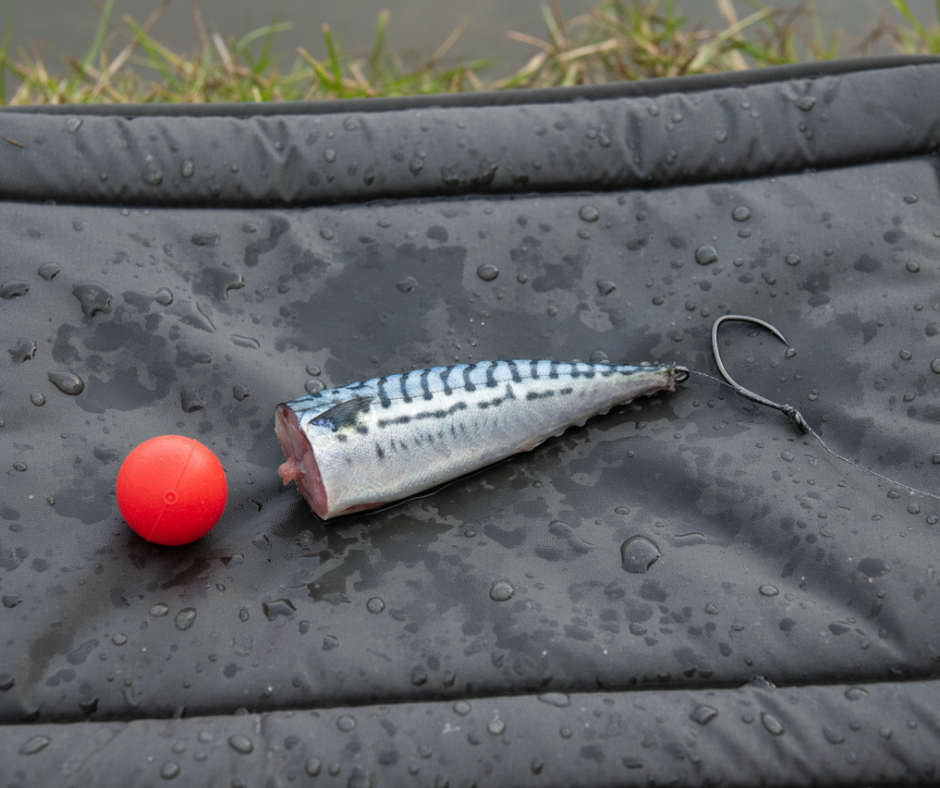
Popped-Up Deadbaits: If you’re fishing over weed or silt, use a small balsa plug or a bit of foam to lift that bait a few inches off the deck. It makes the bait a sitting duck for a passing pike and ensures the circle hook has a clear path to do its job.
BUT (my opinion only, mind!): whilst they seem to work brilliantly with smaller baits fished up in the water, I’ve dropped a few too many fish using circle hooks in conjunction with ledgered deadbaits. Which is why I’ve begun experimenting with hair rigs.
The Rig: "Carp Style" for Predators
You don’t need a degree in engineering to tie this. Think of it as a standard carp hair rig, but beefed up for a toothy predator.
-
The Hook: A dedicated circle hook (size 1 or 2 is usually plenty).
-
The Trace: 20lb or 30lb seven-strand wire.
-
The Hair: Instead of a boilie, you’re using a short length of power gum or just a loop of your wire trace to pull through a deadbait.
The Technique: Thread your wire through the eye, tie a simple knotless knot, and leave a loop (the hair) hanging off the back. Thread your deadbait—a nice oily sardine or a chunky smelt—onto the hair and secure it with a bait stop. This leaves the hook completely clear and ready to rotate into the mouth.
Based on my results this season, I’m a convert. So why not try it for yourself? As you’d expect, we have all the bits and bobs you’ll need.
Whether you need a spool of reliable wire, sturdy swivels, crimps or of course a pack of circle hooks that won't straighten under pressure, we’ve got you covered on our webstore.
How to get your gear:
-
Nationwide Delivery: Right to your door.
-
Free Local Delivery: If you’re in the Fenland region (Cambs/Norfolk) and spend over £25, we’ll drop it off for free.
-
Trade Counter: Order online and pick it up by appointment from us in March.
-
Weekend Sales: Don’t forget our weekly warehouse clearance every Saturday at City Road, March. Come grab a bargain and have a proper chat about what's biting.
#FenlandFishing #FenlandTackle #FenlandTackleExchange #WhyPayMore #fishingUK #PikeFishing #FenlandAngling